Every discipline constructs its own canon: a set of works, attitudes and names that organize the imagination, establish hierarchies and frame the story of the past. Architecture also participates in this process, though it does so with greater freedom than, for instance, literature.
The “B” series was created to continually fill the gaps in the canon that remains fragile and not particularly well established, and therefore in need of support. In the “B” series we present buildings that have slipped out of the canon, yet seem to deserve a place within it. We share the results of research, both our own and that of our collaborators. We are particularly interested in studies that reach beyond the mainstream: to the margins, beyond the metropolises, and into the realm of the not entirely obvious. The “B” series is also an appeal to be attentive, not only while reading, but perhaps above all beyond the page. After all, there may be more buildings whose canonical status is worth debating than we imagine.
The name of the “B” series was proposed by Rozalia Radecka from the Publications Section of the Museum of Architecture. Although the letter “B” is meant to evoke buildings, we reserve the right to certain inconsistencies: when necessary, we may occasionally replace it with “P” for places, “O” for objects, or even “F” for factories, while remaining faithful to the second letter of the alphabet – numbering the volumes from 01 to infinity.
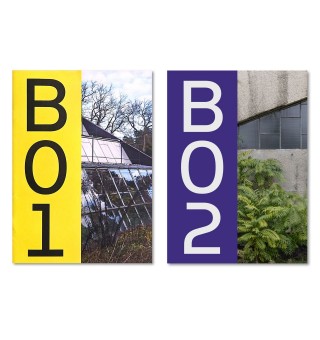
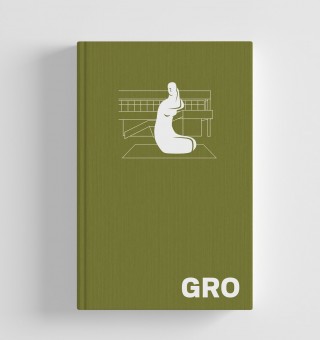
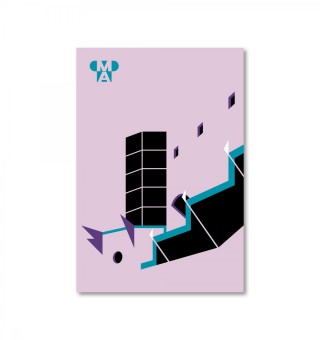
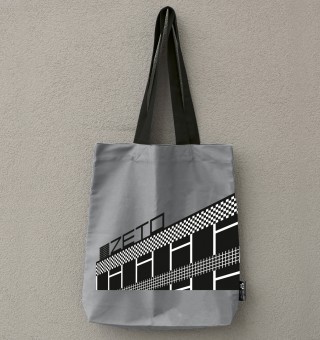
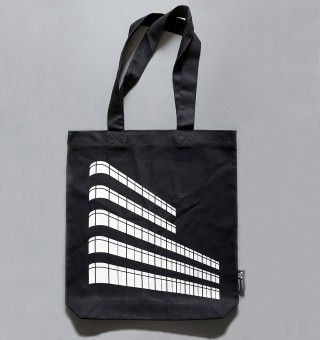
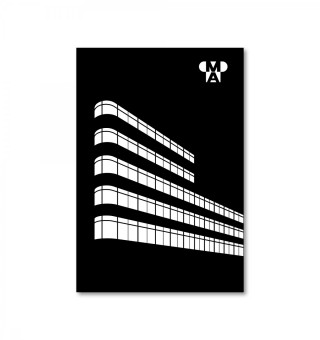
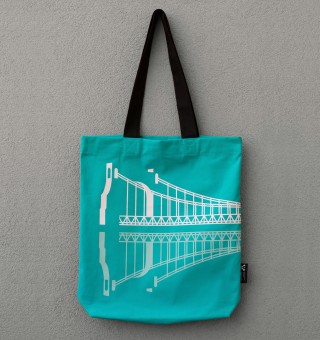
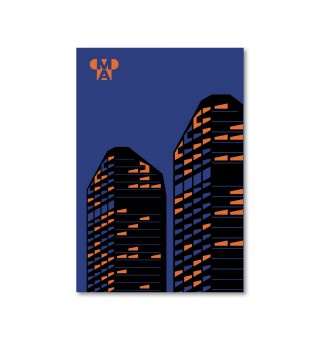
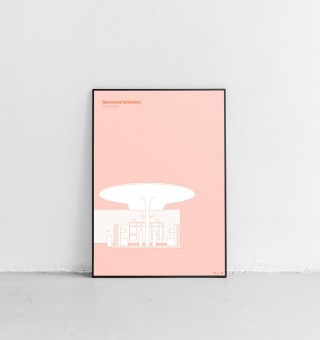
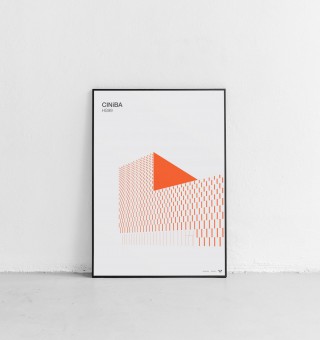
The set contains: B01: Unfinished prototype and B02: Hutmenization 1946–2026.
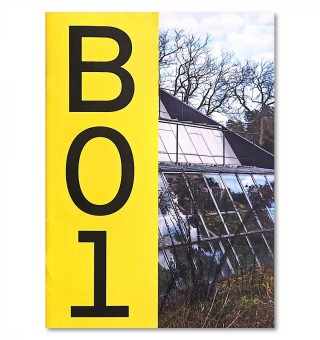
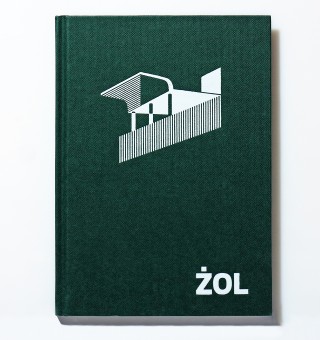
B01
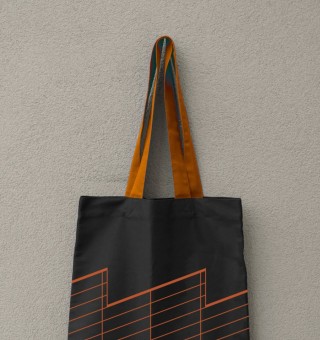
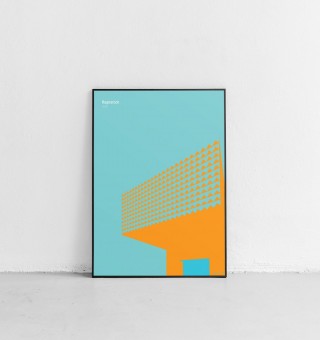
A private house in Łask-Kolumna, comprising a residential section and a winter garden (greenhouse), is a unique example of bioclimatic architecture - combining functionality with ecological innovation. At the same time, it remains one of the few completed designs by Witold Lipiński, the visionary architect behind such iconic works as the meteorological observatory on Mount Śnieżka and the “Igloo House” in Wrocław.
This publication is the culmination of the project An Unfinished Prototype – The Art of Bioclimatic Design. Documentation and Research of Witold Lipiński’s Experimental House in Łask-Kolumna, and complements the monograph Kształt marzeń. Architektura Witolda Lipińskiego by shedding light on a lesser-known example of the architect’s pioneering work.
Text: Barbara Szczepańska
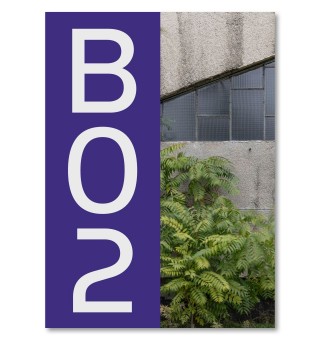
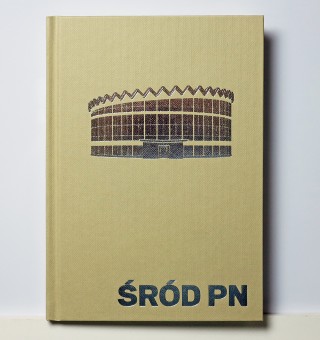
B02
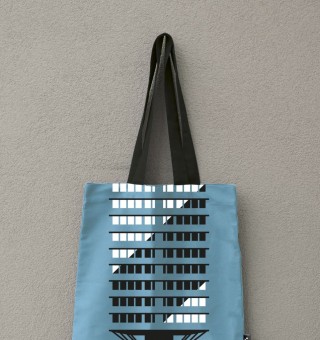
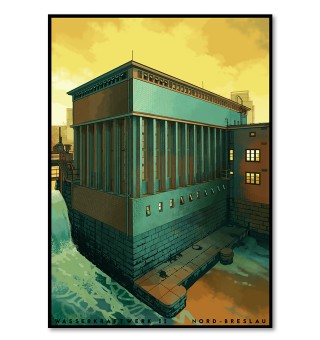
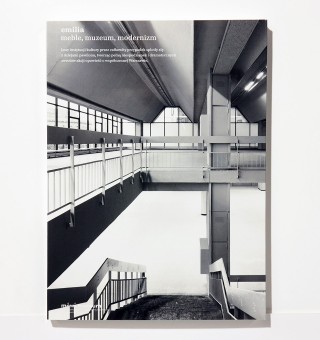
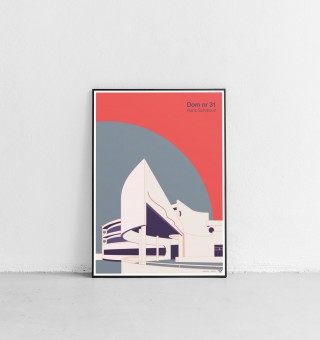
The silhouette of the long hall, with its dynamic, pilastered roof, transformed a section of post-war Wrocław’s landscape. The almost endless rhythm of the ‘teeth’, the structure resembling a row of falling dominoes, and the austere façades composed of concrete and glass remain a hallmark of this part of the city to this day. The hall has become an integral symbol of the Grabiszyńska Street skyline and, together with the entire complex of the former metallurgical plant, a reminder of the decades of operation of Hutmen – a factory unlike any other.
This publication accompanies the exhibition Sunday in Hutmen, presented at the Museum of Architecture in Wrocław from 29 January to 30 August 2026.
Texts: Michał Chadera, Agata Gabiś, Iwona Kałuża, Michał Duda
Publisher: Museum of Architecture in Wrocław